Check Out Podcasting Strategy Simplified On Your Favorite Platform
Apple Podcasts | Spotify | Amazon Music | iHeartRadio | Podchaser | YouTube
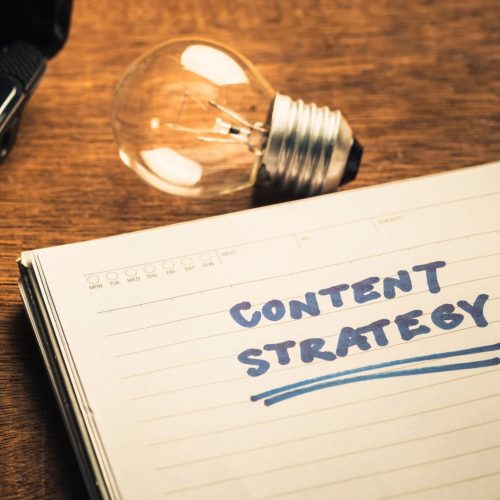 Content Repurposing: Your Ace In the Hole
Creating consistent marketing content takes time, especially when you’re a business owner juggling client responsibilities, sales, operations, and everything else that comes with running a business. Between writing blogs, producing social media posts, recording videos, and sending email campaigns, developing enough content to maintain a consistent presence can quickly become overwhelming.
That’s why learning how to repurpose podcast content should become an important part (if not the MAIN part) of your overall marketing strategy.
One well-planned podcast episode gives you a foundation for multiple pieces of content that can support your business throughout the week. Instead of starting from scratch every time you need something to publish, you can take the knowledge, expertise, and personality you’ve already shared through your podcast and adapt it for the platforms where your audience spends time.
Start With One Strong Podcast Episode
Your podcast should serve as a foundational content resource for your business. When you record an episode, you’re sharing your expertise, answering questions, addressing customer challenges, and giving potential clients a better understanding of how you approach your industry.
That content has value across multiple formats because your audience consumes information differently.
Some people prefer listening to podcasts while commuting or exercising, while others enjoy watching video episodes or reading a blog post that explores a particular subject. Your original episode gives you opportunities to connect with each of these audiences.
The key is to build your podcast strategy around the topics and business objectives you want to communicate, giving every episode a purpose that extends beyond the initial recording.
How to Repurpose Podcast Content Into Seven Days of Marketing
Once you’ve published an episode, look at the material you’ve already created and identify opportunities to develop additional content.
For example, one podcast transcript can become:
-
Social media posts addressing individual insights from the episode
-
Short-form video clips highlighting important talking points
-
A blog post expanding on one of the episode’s primary topics
-
An email newsletter sharing a valuable takeaway with your subscribers
-
A LinkedIn post encouraging discussion around a specific industry challenge
-
A collection of quotes or graphics featuring memorable statements from the episode
-
A short educational video answering a question addressed during the recording
You can distribute these pieces throughout the week, creating a consistent flow of valuable information without requiring you to develop seven completely separate ideas.
You can also combine formats depending on your priorities. Perhaps you want three video clips, one blog post, and three social media posts. Your strategy should determine what you create and where you publish it. You can always shake the order, too. The point is: one podcast episode = a metric shit ton of repurposable content!
Use AI to Accelerate Your Content Repurposing Process
AI tools such as ChatGPT, Claude, and Gemini can make it considerably easier to understand how to repurpose podcast content efficiently.
Start by providing an AI platform with your podcast transcript and a detailed explanation of what you want to accomplish.
For example, you can ask it to:
-
Develop a series of social media posts addressing different insights from the episode
-
Create a blog post targeting a specific SEO keyword
-
Identify 2-3 sections that would work well as short-form video clips
-
Develop an email newsletter that encourages subscribers to listen to the full episode
-
Extract actionable advice that you can turn into educational graphics
The quality of the results depends heavily on the instructions you provide. Simply asking AI to generate ten Instagram posts will produce content, but it might miss the specific message, audience, and business objective you’re trying to communicate.
Most importantly, take the time to review and personalize everything AI produces. Add your personality, adjust the language, incorporate your branding, and make sure the final content sounds like something you’d actually say.
Your audience needs to connect with the person behind the business. Generic AI-generated content rarely communicates the individual perspective and experience that make your expertise valuable.
YOU MAY ALSO LIKE: What Makes a Business Podcast Feel Premium and Authoritative?
Focus Your Content on the Platforms That Matter
You don’t need to maintain an active presence on every social media platform to make podcast repurposing work.
Your strategy should identify where your ideal customers spend their time and which platforms give you the best opportunities to build relationships, generate conversations, and attract prospective clients.
The following are questions you should answer as you plan your content distribution:
-
Where does your ideal customer consume educational content?
-
Which platforms currently generate meaningful engagement?
-
What content formats perform well with your audience?
-
Which marketing channels support your current business objectives?
You should also adapt your content to each platform rather than publishing identical material everywhere at the same time. Post a video clip on Instagram early in the week, then post the same clip later in the week on YouTube. This approach gives you flexibility while keeping your content distribution manageable.
It also helps you avoid an echo chamber where the same piece of content pops up on every platform you’re publishing on simultaneously.
Make Content Repurposing Part of Your Podcast Strategy
The ability to turn one podcast episode into a week’s worth of marketing content starts with planning. Before you record, identify the topics you want to address, the audience you want to reach, and how you intend to use the material after publication.
When you build that infrastructure into your podcast strategy, every episode creates opportunities to educate your audience, strengthen relationships, demonstrate your expertise, and support business growth.
Your podcast already contains the knowledge and experience you want potential customers to discover. Give that content more opportunities to make an impact by building a repurposing process that works with your business objectives.