 How to Sound More Natural and Less Scripted on Your Podcast
A big challenge podcasters and content creators face is figuring out how to sound more natural and less scripted. It makes sense because you want to deliver value, avoid awkward pauses, and remember every important point. That often leads to pages of detailed notes or fully written scripts that make conversations feel rehearsed instead of authentic.
Listeners don’t connect with perfect wording. They connect with genuine conversations. Whether you’re interviewing a guest or recording a solo episode, your audience can tell when you’re engaged in the moment because your delivery feels conversational and your personality has room to shine.
And on the flip side of the coin, they can tell when your delivery lacks engagement or comes across like you’re reading a script. When this happens, it’s harder for someone to sink their teeth into your content and, most likely, will send them searching for someone else’s.
Prepare for the Conversation Instead of Writing a Script
Learning how to sound more natural and less scripted starts long before you press record. It starts with how you prepare yourself for each episode you construct.
Many podcasters spend hours writing detailed questions or scripting every transition. While that approach can help you feel prepared, it often creates a situation where you’re thinking about your notes instead of the conversation happening in front of you.
Instead, create a simple framework that keeps you focused without dictating every word.
Your preparation might include:
- 5-6 broad discussion topics instead of fifteen or twenty detailed questions
- Key statistics, stories, or examples you want to reference
- One clear takeaway you want listeners to remember after the episode
This gives you enough structure to stay on track while allowing the conversation to develop naturally.
Let Active Listening Guide the Conversation
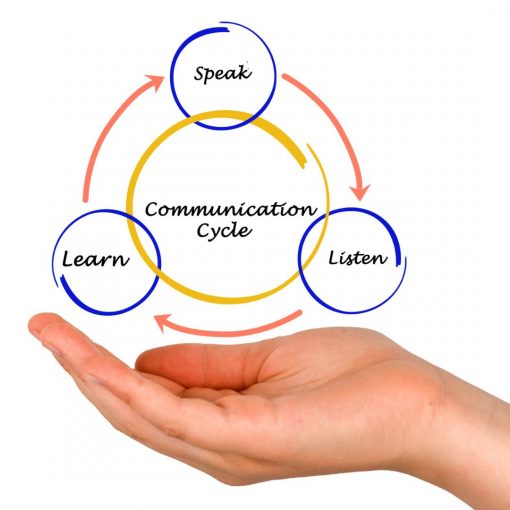
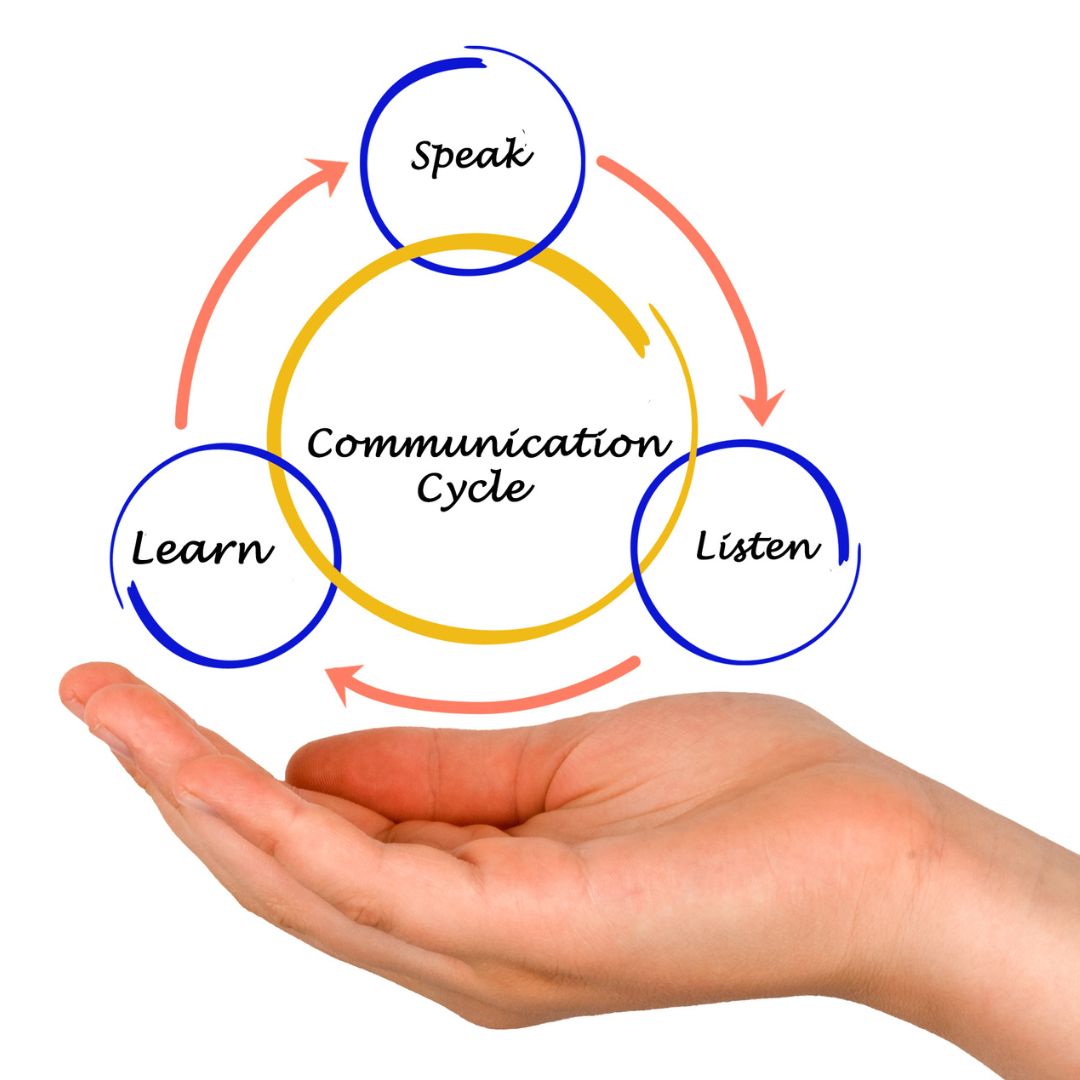
One of the fastest ways to sound more natural and less scripted is by improving your active listening skills.
Many hosts become so focused on asking their next prepared question that they miss opportunities to explore something interesting their guest just shared. Those spontaneous moments often become the most memorable parts of an episode because they’re driven by curiosity instead of preparation.
As your conversations progress, pay attention to what your guest is actually saying instead of what comes next on your outline.
Focus on:
- Asking follow-up questions based on what the guest shares
- Exploring stories that weren’t part of your original plan
- Keeping the discussion moving toward your overall topic without forcing every planned question into the conversation
You’ll often discover that you need far fewer prepared questions than you originally thought.
ANOTHER BURNING QUESTION: What Type of Podcast Format Works Best For Establishing Trust With An Audience?
Solo Episodes Should Feel Like One Conversation
The same principle applies when you’re recording by yourself.
Instead of reading from a script, imagine you’re talking directly to one person. Picture a client, colleague, or listener sitting across from you and explain the topic exactly as you would during a conversation.
This shift naturally changes your delivery because you’re communicating with someone instead of performing for an audience.
When planning solo episodes, organize your outline around key ideas instead of complete paragraphs.
For example, your notes could include:
- The problem you’re addressing
- Why it matters
- Three practical solutions
- A personal example or client story
- One action listeners can implement today
This approach helps you stay organized while giving your personality room to come through.
Confidence Comes From Practice, Not More Notes
If you want to sound more natural and less scripted in your podcasting delivery, remember this is a skill you develop over time. Every episode helps strengthen your communication skills and builds confidence behind the microphone.
An easy way to practice is by gradually reducing how much scripted content you bring to each episode. If you typically write ten interview questions, cut that number in half for your next recording and emphasize active listening and having an organic conversation. You may find that meaningful conversations happen because you’re responding to the discussion instead of following a script.
Preparation always has a place in podcasting, but preparation should support the conversation rather than control it. When you understand your topic, listen with intention, and focus on serving your audience instead of reading your notes, your podcast becomes more engaging, your personality becomes more visible, and your listeners feel like they’re part of a genuine conversation.